
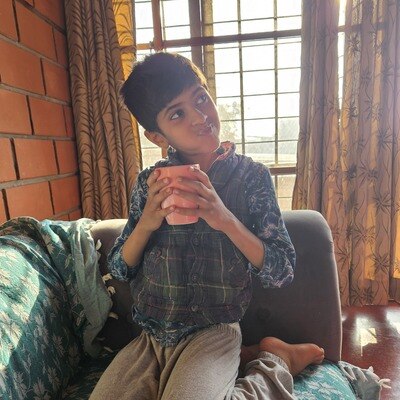
“”After us, then what?”
This question popped up in my mind for the nth time yesterday morning, just about this time.
I was frantically cleaning the sofa while Krishna’s father struggled to hold a cross, protesting Krishna.
“Wait, Krishna! Let Amma finish cleaning the sofa. Then you can lie down. Next time, use the loo; then you don’t have to wait!”
Krishna has contracted a stomach bug. Combine this with his hatred of pooping and the need to control his own body: he ends up losing most of his fights with the bug.
Result: poop accidents like when he was 1 year old. Except, he’s almost 11 now.
His father and I spent the weekend washing an unending stream of soiled sheets and sanitizing the sofa and the bed obsessively.
And the thought struck: what after us?
Who will handle Krishna with patience, care, and love if he behaves like a toddler when he’s all grown up? It takes a special kind of care to not lose patience at 3:30 in the morning when, just after one has cleaned him up for the 9th time, washed the sheets, sanitized the bed, and used the last set of clean sheets, he yanks off his diaper and poops again.
On the bed.
What if, God forbid, something like this happens when we are no more?
I can’t bear the thought of Krishna being mistreated or facing cruelty.
So, what after us? The question looms large.
This plagues many parents of special needs children. It’s also a question that many fight shy of.
But this isn’t a morbid question or something to be scared of. It’s just another aspect of care for your child, which you need to think about and plan for.
“Why so soon? Krishna isn’t even 10,” someone asked at the time.
Planning finances, choosing a legal guardian, making a will, and exploring care and living options can’t be hurried. They need careful thought, may go through iterations, and may need to be changed as requirements change.
It’s never too early to start working to ensure your child’s future care and safety.
And so, when I was invited to Neurounity on April 20, where an entire session was devoted to planning for your child’s wellbeing after you, I decided to go.
I will keep exploring every available option so that I have enough choices to ensure Krishna’s safety and happiness when his father and I are no more.
It’s just common sense.